A Tapestry of Tradition: Unveiling the Enchantment of Kanjivaram Saris

In the vibrant tapestry of Indian textiles, Kanjivaram saris hold a place of unparalleled prestige. Woven in the ancient town of Kanchipuram in Tamil Nadu, these saris are more than just garments; they are embodiments of cultural heritage, meticulous craftsmanship, and timeless elegance. Their allure lies in a confluence of factors, each thread whispering a story of tradition and exquisite artistry.
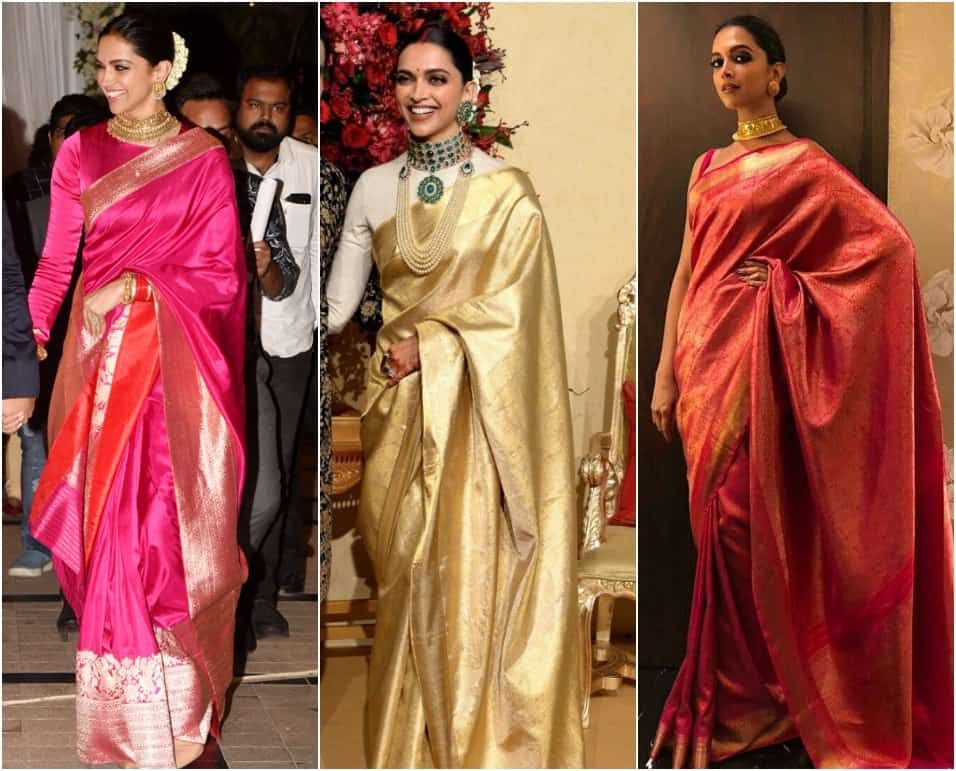
A Canvas of Pure Silk
The foundation of a Kanjivaram sari's splendor is its fabric – pure mulberry silk. This silk, meticulously sourced and woven, is renowned for its unparalleled softness and strength. Unlike its synthetic counterparts, pure mulberry silk offers a luxurious drape that caresses the wearer's skin. The fabric's natural sheen catches the light, creating a mesmerizing interplay of colors and textures. It's a luxurious canvas upon which the artistry of the sari truly blossoms.
Woven with Threads of Gold: The Art of Zari
Zari, the delicate metallic thread woven into Kanjivaram saris, is more than just an embellishment; it's the soul of their intricate designs. Traditionally crafted from gold or silver threads, zari work adds a touch of opulence and grandeur to the sari. Skilled artisans meticulously weave these threads into the silk, creating elaborate patterns and motifs. The inspiration for these designs often draws on temple architecture, nature, and traditional art forms, transforming the sari into a wearable masterpiece. From the intricate paisley patterns to the majestic depictions of elephants and peacocks, each zari motif narrates a story steeped in cultural significance.
A Symphony of Contrasts - Borders and Pallu
A quintessential feature of Kanjivaram saris is the stunning contrast between the body of the sari and its borders and pallu. The borders, adorned with vibrant motifs and geometric patterns, frame the sari, adding a touch of definition and visual interest. The pallu, the flowing end of the sari draped over the shoulder, takes center stage with its elaborate designs. Often featuring denser zari work and more intricate motifs, the pallu is a testament to the weaver's artistry. This interplay of contrasting elements creates a visually captivating effect, making the Kanjivaram sari a true head-turner.
Beyond Aesthetics: A Legacy Woven in Threads
The magic of Kanjivaram saris extends far beyond their breathtaking beauty. These saris are deeply rooted in tradition, holding immense cultural significance, particularly in South India. For generations, Kanjivaram saris have adorned brides on their wedding days, symbolizing auspiciousness and prosperity. Passed down as cherished heirlooms, they carry not just memories but also the stories of the women who wore them before. Owning a Kanjivaram sari is like owning a piece of history, a tangible connection to one's heritage.
A Spectrum of Colors: A Fusion of Tradition and Modernity
While vibrant colors like reds, oranges, and greens have traditionally dominated the Kanjivaram sari palette, a contemporary shift is evident. Modern interpretations embrace a wider color spectrum, incorporating pastel shades and even color blocking techniques. This allows for a wider range of choices, catering to diverse preferences and ensuring a Kanjivaram sari exists for every occasion.
Effortless Elegance: Comfort in Every Drape
Despite their ornate appearance, Kanjivaram saris are surprisingly comfortable to wear. The breathable nature of pure mulberry silk allows for easy movement, making them ideal for warm climates. The weight of the fabric and the way it drapes naturally create a flattering silhouette that enhances the wearer's grace. This comfort factor ensures that the Kanjivaram sari is not just a beautiful garment but one that allows the wearer to move with confidence and poise.
A Legacy Woven in Every Thread
Kanjivaram saris are more than just exquisite textiles; they are a testament to the enduring legacy of Indian craftsmanship. Each sari embodies the meticulous skill of generations of weavers, their dedication evident in every intricate detail. Owning a Kanjivaram sari is not just about acquiring a piece of clothing; it's about cherishing a piece of cultural heritage, a timeless work of art woven with threads of tradition and artistry. In a world of fleeting trends, Kanjivaram saris stand as a testament to the enduring power of elegance and the unwavering spirit of Indian textile tradition.

Comments
Post a Comment